
Why Waiting Until January Could Cost You Thousands in HVAC Savings
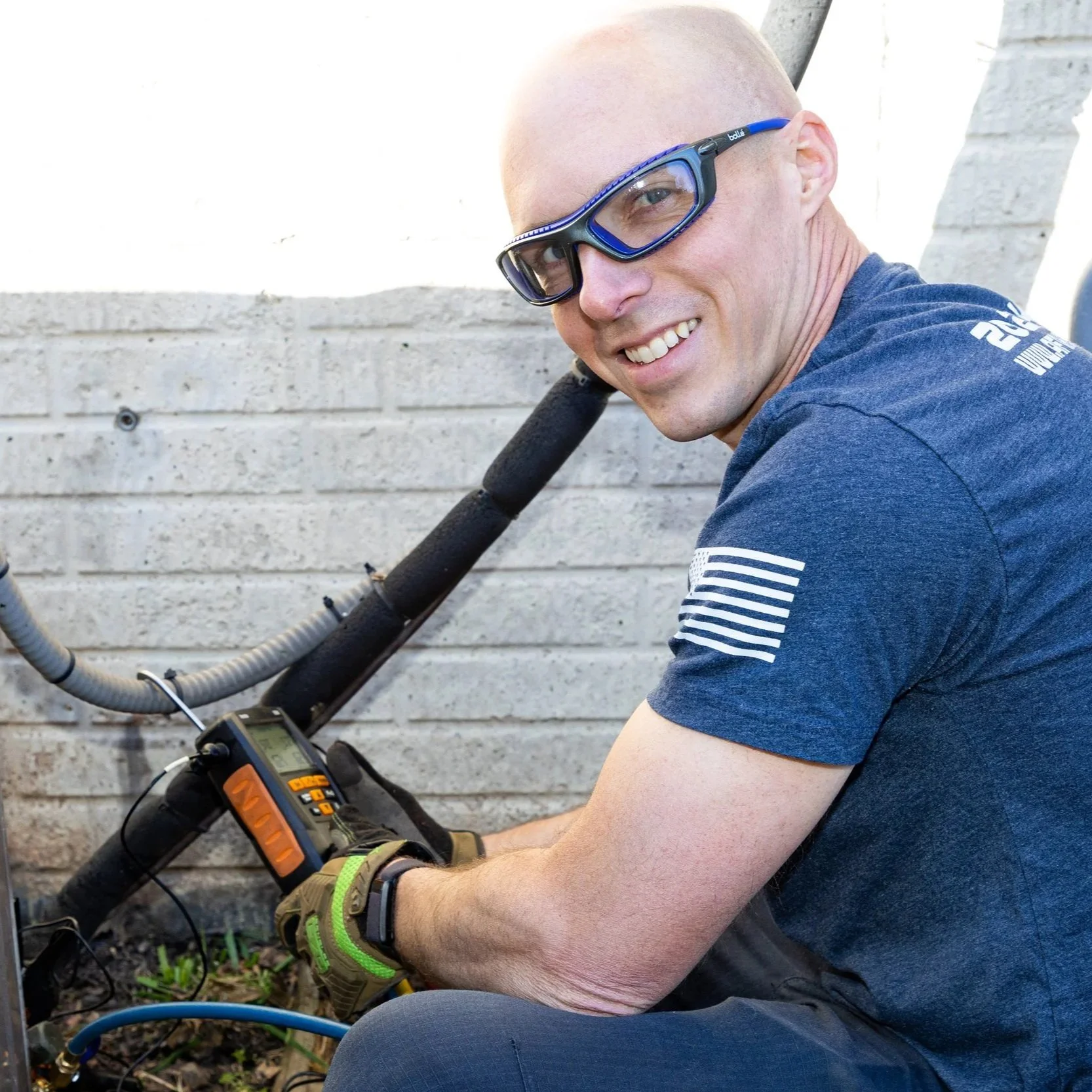
Acting before December 31 not only locks in valuable HVAC savings but also sets your home up for a more comfortable and efficient year ahead.
The clock is ticking for homeowners who have been putting off their HVAC upgrades. Every year, federal incentives and tax credits help people save big on energy-efficient heating and cooling systems, but those benefits reset or expire when the calendar flips to January. If you’ve been thinking about upgrading your HVAC system, waiting until after the holidays could be an expensive mistake. Acting before December 31 not only locks in valuable HVAC savings but also sets your home up for a more comfortable and efficient year ahead.
The Truth About Federal HVAC Tax Credits
Federal tax credits for energy-efficient HVAC systems are part of a larger government effort to encourage homeowners to reduce energy use. These credits apply to qualifying systems like high-efficiency furnaces, heat pumps, air conditioners, and smart thermostats. The concept is simple: upgrade to a more efficient system, save on energy bills, and receive a tax break for making an eco-friendly choice.
The key detail many homeowners overlook is timing. Tax credits operate on a yearly schedule, and the eligibility window typically closes on December 31. Waiting until January means missing the cutoff for claiming the credit on your upcoming tax return. By scheduling an HVAC installation before the end of the year, homeowners can take advantage of current incentives before they reset or change.
Professional HVAC companies stay informed about these programs and help customers identify which systems qualify. They also guide you through the paperwork and installation process, making it easy to secure your savings while upgrading your home’s comfort.
Why Timing Matters More Than You Think
Procrastination might be the biggest HVAC budget killer. Many homeowners push upgrades to “next season” and end up losing hundreds or even thousands of dollars in potential savings. Waiting until January means paying full price for a system that could have been partially offset by federal, state, or utility incentives.
Energy-efficient upgrades also take time to schedule and install. As the year winds down, HVAC companies get booked quickly by homeowners rushing to meet tax credit deadlines. By acting early, you avoid the scheduling crunch and give yourself more options for choosing the right system.
Beyond tax credits, energy costs themselves tend to rise during peak seasons. Running an old or inefficient system through the winter often means paying more in monthly bills. Upgrading now gives you immediate savings on energy consumption, making your investment pay off sooner.
How Energy-Efficient Upgrades Deliver Long-Term HVAC Savings
An energy-efficient HVAC system is more than just a short-term tax incentive opportunity—it’s a long-term investment. High-efficiency furnaces, heat pumps, and air conditioners use less fuel or electricity to heat and cool your home. That means lower monthly utility bills, fewer repairs, and a smaller carbon footprint.
Professional HVAC technicians perform load calculations to match your system precisely to your home’s heating and cooling needs. An oversized or undersized unit wastes energy and wears out faster, while a properly fitted one operates smoothly and efficiently. The right system can cut annual energy expenses by as much as 20 to 40 percent, depending on your current setup.
Beyond cost savings, new systems also deliver quieter operation, improved indoor air quality, and more consistent temperature control. It’s a win-win: immediate financial benefits and long-term home comfort.
Federal Incentives: What Homeowners Should Know
Federal HVAC incentives are often available through programs like the Inflation Reduction Act and the ENERGY STAR initiative. These programs reward homeowners for investing in efficient technologies that reduce household energy consumption. Qualifying systems include air-source heat pumps, high-efficiency gas furnaces, ductless mini-split systems, and variable-speed air conditioners.
The federal tax credit usually covers a percentage of the system’s total cost, up to a maximum amount, depending on the equipment type. Homeowners can claim the credit when filing their annual taxes, directly reducing what they owe. To qualify, the system must be installed by the end of the year and meet federal efficiency standards.
Professional HVAC companies work closely with these programs, helping homeowners select systems that meet the required criteria. They also provide documentation to simplify the tax filing process. For homeowners in the United States, acting before the December deadline could mean hundreds or even thousands in savings that won’t be available come January.
The Risk Of Waiting Too Long
Waiting until January might seem harmless, but it can be costly in several ways. For one, incentive programs change frequently. A credit that’s available now might be reduced, replaced, or eliminated next year. Government funding for energy efficiency initiatives fluctuates, and once annual budgets reset, certain programs disappear without much notice.
Delaying your HVAC upgrade also means gambling with your current system’s reliability. Older systems tend to break down at the worst possible time—right in the middle of winter when HVAC companies are swamped. Emergency repairs often cost more than planned replacements, and temporary fixes can drain your wallet faster than an efficient upgrade would have.
Professional HVAC service providers recommend planning upgrades strategically, not reactively. By upgrading before the new year, you control your budget, qualify for rebates, and avoid the chaos of last-minute repairs.
The Double Win: Lower Bills And Tax Credits
Combining energy-efficient technology with federal tax credits gives homeowners a double financial benefit. You save money upfront through incentives and continue saving month after month through lower utility costs. It’s a strategy that pays off almost immediately.
For example, a new ENERGY STAR-certified heat pump or high-efficiency furnace can significantly reduce your home’s energy consumption. Depending on your local utility rates and climate, those monthly savings can quickly add up. Meanwhile, your tax credit helps offset the installation cost, making the upgrade easier on your budget.
Professional HVAC technicians can even recommend additional upgrades, such as programmable thermostats or zoning systems, that enhance efficiency and qualify for extra incentives. They take a whole-home approach, identifying ways to improve energy flow and comfort together.
What To Expect During An HVAC Upgrade
Upgrading your HVAC system is a straightforward process when handled by professionals. A licensed technician will assess your home’s size, insulation, duct layout, and current system performance to recommend the most efficient replacement. The goal is to improve comfort while reducing wasted energy.
Installation typically takes one to two days, depending on the system type. Once complete, your technician will test the equipment, calibrate the thermostat, and confirm proper airflow throughout the home. Many companies also offer maintenance plans to keep your new system running efficiently for years to come.
Scheduling your HVAC installation before the end of the year allows enough time for a thorough job while keeping you eligible for federal incentives. Local contractors often extend special end-of-year offers or financing plans to make the process even more affordable.
Why Local Expertise Makes A Difference
Federal tax credits are available nationwide, but understanding local energy programs requires regional expertise. Many states, cities, and utility companies offer their own HVAC incentives and rebates in addition to federal ones. Partnering with a local HVAC professional means tapping into knowledge of these programs to maximize your savings.
For example, homeowners in areas with high summer temperatures or fluctuating winter conditions benefit from different system types than those in cooler climates. Local experts tailor recommendations based on real-world experience and climate data specific to your area. They also know how to process rebate forms, schedule inspections, and meet any regional efficiency standards required for qualification.
How To Prepare Before Year-End
Homeowners who want to claim federal HVAC tax credits should act fast. The first step is scheduling a professional assessment. Your HVAC technician will evaluate your current system and identify eligible replacements based on your goals and budget.
Next, confirm the model’s eligibility for federal or local incentives. A reputable contractor will provide all documentation needed for tax credit submission. Once installation is scheduled, keep records of invoices, receipts, and system specifications for your tax filing.
Many programs require that installation be completed before the year’s end, not just scheduled, so it’s critical to start the process early. Professional HVAC companies can typically accommodate year-end installations, but availability tightens as December approaches.
Making Smart Moves For Home Energy Efficiency
Energy efficiency doesn’t stop with your HVAC system. Professional technicians can also suggest complementary upgrades that enhance overall performance, such as air sealing, duct cleaning, or attic insulation improvements. Combining these efforts boosts comfort and adds even more long-term savings to your investment.
Homeowners who prioritize efficiency now will also be better positioned for future technology advancements. Many newer HVAC systems are compatible with smart home features, solar integration, and even geothermal applications. Making the switch before January opens the door to these innovations while locking in current incentives.
The Future Of HVAC Savings
The push toward energy efficiency continues to grow, and incentives will evolve accordingly. Still, homeowners who take advantage of current opportunities gain the most immediate benefits. Tax credits and rebates can significantly lower the total cost of a system upgrade, but missing the deadline means starting from scratch when new programs roll out.
Professional HVAC experts emphasize that energy-efficient upgrades aren’t just about saving money—they’re about creating a home that works smarter, not harder. A well-designed, high-performance system supports comfort, sustainability, and long-term value for your property.
⚠️ Act Fast: HVAC Tax Credit FAQs Before the Year-End Deadline
What is the deadline to claim federal HVAC tax credits?
To qualify for current federal HVAC tax credits, systems must be installed by December 31. Waiting until January will make you ineligible for that tax year’s credit.
Which HVAC systems qualify for federal incentives?
Qualifying systems typically include ENERGY STAR-certified furnaces, air conditioners, heat pumps, and smart thermostats. A professional HVAC technician can confirm eligibility for your specific upgrade.
How much money can I save with an HVAC upgrade?
Savings depend on your system and location, but many homeowners save between 20 to 40 percent on energy bills after upgrading to an energy-efficient model, plus hundreds in federal tax credits.
Do I have to replace my entire system to qualify for incentives?
Not always. Some programs include partial upgrades like heat pump installations, high-efficiency air handlers, or smart thermostats. Your contractor will know which improvements qualify.
Can I combine federal tax credits with local utility rebates?
Yes. Many homeowners combine multiple incentives for maximum savings. Professional HVAC companies can guide you through federal, state, and local rebate opportunities to help you save the most before year-end.