
How Different Air Filters Impact Home Comfort and HVAC Efficiency
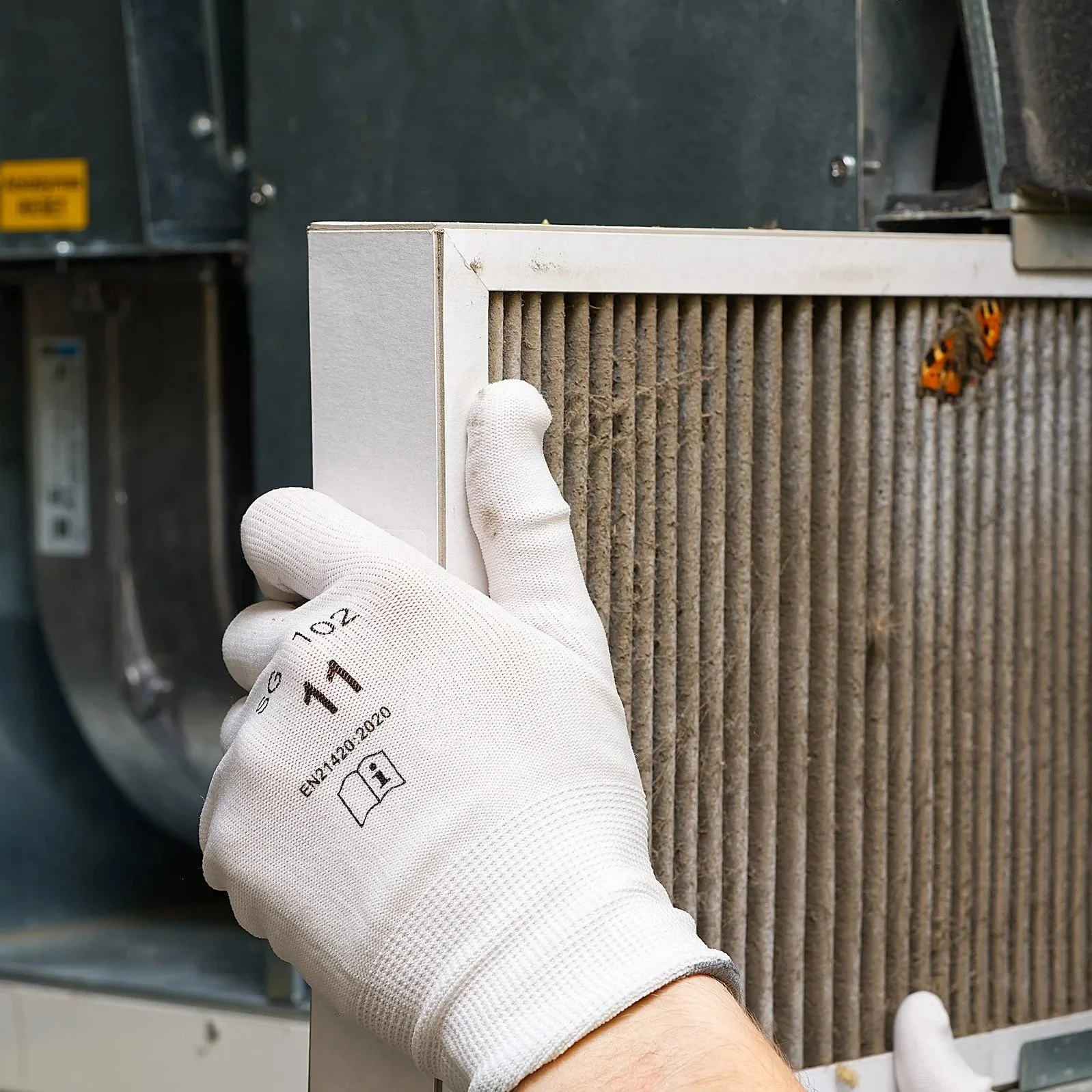
Understanding the significance of air filters and their impact on comfort and efficiency is a crucial aspect of maintaining your home in top condition.
When it comes to maintaining a comfortable home, air quality is often a key factor that people overlook. The air filter you choose for your HVAC system plays a massive role in both your indoor comfort and the effectiveness of your heating and cooling systems. Selecting the right air filter can make a noticeable difference in the air you breathe, the longevity of your HVAC system, and even the amount of energy you use.
Understanding the significance of air filters and their impact on comfort and efficiency is a crucial aspect of maintaining your home in top condition. In this blog, we’ll dive into the various types of air filters, the role of MERV ratings, and how choosing the right filter can enhance both comfort and energy savings.
The Role of Air Filters in Home Comfort
Air filters are liable for trapping airborne particles such as dust, pollen, pet dander, and mold spores before they circulate through your home’s heating and cooling system. A well-maintained filter helps improve indoor air quality, which is essential for a comfortable living space. The cleaner the air, the less likely it is that allergens and irritants will affect your health or trigger allergies and asthma.
Beyond improving health, clean air also makes your home feel more comfortable. No one enjoys breathing in dust-filled air or constantly having to dust surfaces. When the air is free of contaminants, your home feels fresher, and you’re less likely to experience discomfort from airborne irritants.
How Different Filters Impact Efficiency
The efficiency of your HVAC system is directly linked to the air filter you use. The role of the filter goes beyond keeping the air clean—it also helps guarantee that your heating and cooling systems operate smoothly. When an air filter is plugged or dirty, it can obstruct airflow, forcing your HVAC system to work harder than necessary. Over time, this strain can create increased energy consumption and higher utility bills.
Filters with higher MERV ratings (Minimum Efficiency Reporting Value) tend to be more efficient at capturing smaller particles, but they also create more resistance in airflow. If the resistance is too high, your HVAC system may struggle to circulate air, leading to reduced efficiency. Striking a balance between filtration and airflow is key to maintaining HVAC efficiency.
The MERV Rating and Its Role
MERV ratings are used to measure the efficiency of an air filter in trapping airborne particles. These ratings range from one to twenty, with higher numbers indicating better filtration. However, while higher MERV filters can trap smaller particles, they may also put more strain on your HVAC system, especially if it’s not designed to handle filters with high resistance.
Filters with lower MERV ratings, such as those in the one to four range, are suitable for basic filtration. They trap larger particles, such as dust and debris, but don’t catch smaller allergens and irritants. Mid-range filters with MERV ratings between six and eight effectively capture particles such as pollen, mold spores, and pet dander—perfect for most households. Filters in the nine to twelve range can capture even smaller particles, such as smoke and dust mites. At the same time, those with MERV ratings above thirteen are highly effective at trapping bacteria, viruses, and other small particles.
Choosing the right MERV rating for your home depends on several factors, such as the air quality in your area, the presence of pets, and the health of your family members. For most houses, a filter with a MERV rating between six and eight offers a good balance of filtration and airflow. However, if someone in your house has allergies or asthma, it may be worthwhile to upgrade to a higher-rated filter.
Types of Air Filters and Their Impact
Air filters come in several types, each with its own advantages and limitations. Here’s a closer look at the most common options:
Fiberglass Filters: These are the most basic and affordable type of filter. They are typically rated with a low MERV rating (one to four) and work well for trapping bigger particles, such as dust and dirt. However, they don’t effectively capture smaller allergens, so they’re best suited for homes without specific air quality concerns.
Pleated Filters: Pleated filters are an upgrade from fiberglass filters. They are more efficient at collecting smaller particles because they have a larger surface-to-volume ratio. Pleated filters typically have MERV ratings between six and eight, making them a good choice for households that require a higher level of filtration. They’re a popular option for homeowners looking for a balance between affordability and effectiveness.
Electrostatic Filters: These filters use an electric charge to attract and trap particles. They can be either disposable or washable and often have MERV ratings between eight and twelve. Electrostatic filters can capture a vast range of particles, including dust, pet dander, and pollen, making them a suitable option for homes with individuals who suffer from allergies. They are also more durable than fiberglass filters, as they can be reused after cleaning.
HEPA Filters: HEPA (High-Efficiency Particulate Air) filters are the gold standard for air filtration. They are capable of trapping 99.97% of particles as small as 0.3 microns in diameter. While HEPA filters are typically reserved for hospitals or clean rooms, they can be used in residential systems if they are compatible with your HVAC unit. They are superb for homes with severe allergies or asthma, but they may put additional strain on your system; therefore, it’s essential to consult with an HVAC professional before making an upgrade.
Choosing the Right Filter for Your Home
Choosing the best air filter comes down to understanding your needs and selecting the filter that best meets those needs. If you’re primarily concerned with general air quality and dust control, a fiberglass or pleated filter with a lower MERV rating may be sufficient. If your home has pets, smokers, or individuals with allergies, a higher MERV rating will provide more effective filtration.
It’s also important to consider your HVAC system’s capabilities when selecting an air filter. Some systems aren’t designed to handle filters with high resistance, such as HEPA filters, so opting for a filter with too high a MERV rating could reduce airflow and cause unnecessary strain on your system.
Don’t forget about regular maintenance either—filters need to be replaced or cleaned routinely to maintain optimal performance. Clogged or dirty filters can reduce airflow, compromise system efficiency, and increase energy costs.
Conclusion
Air filters are a small but pivotal component of your HVAC system, and selecting the right one can make a significant difference in both your home comfort and energy efficiency. By selecting the appropriate MERV rating and filter type for your individual needs, you can create a healthier living environment, enhance your HVAC system’s performance, and potentially lower your utility bills. Always consult with an HVAC professional if you’re unsure about which filter is best for your system, and employ regular filter maintenance to keep your home’s air quality at its best.
Get expert Thermostat installation, whole-home humidifier installation, thermostat replacement, smart thermostat installation and programming, indoor air quality services, and whole-home humidifier repair in Gainesville, VA, with Air Force One Heating and Cooling. We have licensed, bonded, and insured professionals to ensure 100% guaranteed satisfaction. Call us for more. Financing options available.