
The Benefits of Replacing Your HVAC Before It Breaks Down
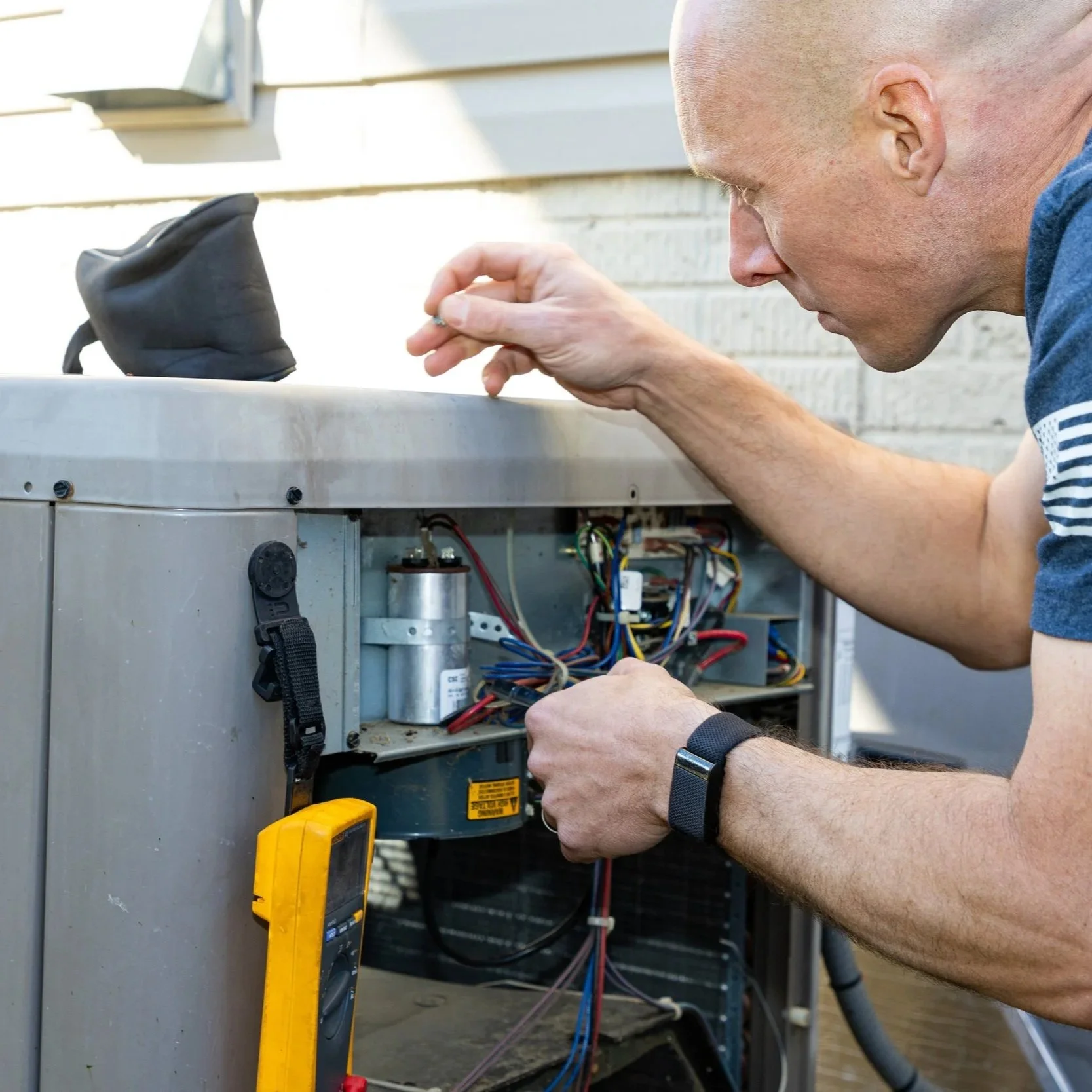
Proactive replacement gives you the chance to plan installation during mild weather, when HVAC contractors aren’t overwhelmed with emergency calls.
There’s nothing quite like the realization that your air conditioning has stopped working in the middle of July. It’s always at the worst possible moment—when family is visiting, or you just stocked the fridge for a relaxing weekend. Replacing your HVAC system before it fails means avoiding those unexpected heatwaves inside your home.
Proactive replacement gives you the chance to plan installation during mild weather, when HVAC contractors aren’t overwhelmed with emergency calls. That means more availability, quicker service, and less risk of sweating it out in your living room while waiting for parts to arrive from nowhere fast.
Saving On Energy Costs Right Away
Older systems were built during a different time, and their efficiency ratings reflect it. New residential HVAC systems utilize updated technology that requires less electricity to produce the same level of comfort. That translates into noticeable monthly savings from the start.
Systems that have to strain to maintain your desired temperature burn more energy than necessary. Replacing that tired unit before it gives up entirely helps cut off the bleeding and lets your utility bill take a much-needed breath. It’s not magic—it’s just smart mechanical design finally working in your favor.
Avoiding The Endless Repair Loop
Patching up an aging HVAC system can start to feel like you’re holding it together with duct tape and good intentions. While it’s tempting to squeeze out another season with a simple repair, frequent fixes begin to add up. Compressor fails in July, capacitor burns out in August, and by September, you’re one repair away from a brand-new system’s worth of expense.
Choosing to replace the system early allows you to sidestep those costly repair bills and redirect your budget toward something that won’t break down every 90 days. A fresh installation comes with modern reliability and warranties that take the guesswork out of comfort.
Improving Indoor Air Quality Across The Board
Old HVAC systems aren’t just inefficient—they can also act as delivery systems for dust, pollen, and stale air. Over time, internal components clog up, filters work harder, and moisture control starts to falter. That creates the perfect storm for mold, allergens, and less-than-fresh indoor conditions.
A replacement system offers better filtration, more consistent humidity control, and airflow that doesn’t feel like it’s coming from a medieval bellows. You can breathe easy knowing your family isn’t inhaling last year’s dust with every cooling cycle.
Reducing Noise And Background Distractions
That rattling, buzzing, clunking sound your HVAC makes at night? Not part of the design. As systems age, mechanical components wear down and vibration dampeners lose their effectiveness. Suddenly, turning on the air conditioning sounds like launching a small aircraft.
Newer residential HVAC systems are designed for quiet operation. With sound-dampening insulation, variable-speed fans, and whisper-smooth compressors, your home returns to a peaceful place. The only thing you’ll notice is the comfort—not the noise behind it.
Maintaining Steady Comfort Throughout The House
Old systems struggle to keep pace with your home’s evolving needs. That bedroom that never cools down or the office that’s always freezing? It’s likely not the insulation—it’s the HVAC’s inconsistent airflow. Outdated units struggle to push conditioned air evenly, leaving hot and cold spots that never quite balance out.
Modern systems use advanced airflow algorithms, zoned control, and variable fan speeds to distribute temperature evenly. You don’t have to keep a sweater in one room and a fan in another. It’s all about balance, and a new system delivers it better than anything from the last decade.
Avoiding The Rush And The Stress
Emergency replacements come with a level of stress most homeowners would rather skip. There’s the scramble to call around for quotes, the panic scheduling, and the desperation to stay cool while waiting for a team that’s booked out for a week. Replacing your system early completely flips that equation.
You get to compare options without a ticking time bomb. You pick the unit you want, not the only one available on short notice. And you can actually speak to a technician who has time to walk you through the process—without the sound of four other phones ringing in the background.
Increasing Home Value And Appeal
If you’re planning to sell your home in the next few years, a new HVAC system is a smart pre-listing upgrade. Buyers appreciate knowing they won’t have to replace big-ticket items right after moving in. That confidence can translate into stronger offers and faster closings.
Even if you’re not selling tomorrow, investing in a new system adds real value to your property. It signals modern upgrades, energy efficiency, and fewer headaches—all things that help when it’s time to show the home or get it appraised.
Making Use Of Modern Smart Features
Today’s HVAC systems aren’t just about heating and cooling. Many models include integrated smart features, such as app control, learning thermostats, and zoning that adapts to how you actually use your home. If your current system responds to only one setting and still uses a manual dial, it’s missing the comfort boat entirely.
Replacing the unit before failure opens the door to smart upgrades that work around your schedule. Whether you want to warm the house before you wake up or cool it down from your phone after a weekend away, modern systems make it happen—without rewiring your routine.
Meeting Current Energy And Safety Standards
HVAC regulations change over time, and older systems may not meet current efficiency or refrigerant standards. Many units still rely on phased-out substances like R-22, which is expensive, hard to find, and subject to tighter environmental controls.
Installing a new residential HVAC system means operating within up-to-date safety codes and using approved refrigerants, such as R-410A. That’s better for your home, your budget, and the planet. Plus, your system will be more serviceable by any technician—not just the rare few who still carry parts for long-retired models.
Taking Advantage Of Seasonal Incentives
Many HVAC manufacturers and utility companies offer seasonal promotions, rebates, and tax credits for upgrading their systems. When you’re forced into an emergency replacement, you rarely have the luxury of waiting for the right offer or exploring all available programs.
Choosing to replace before failure puts you in control. You can time your upgrade for when the best rebates apply, and you can do the math with a clear head. Some homeowners even use those savings to upgrade to a more efficient model or add features like air purifiers and dehumidifiers.
Preparing For Life Changes
Whether your family is growing, your work-from-home setup has expanded, or you’re finally turning the attic into a guest space, your current HVAC system may not be built for what’s next. Older systems were often sized based on square footage, without considering how people actually live in a home.
Upgrading your HVAC before a breakdown gives you the chance to reassess those needs. A new system can be sized more accurately, zoned more thoughtfully, and tailored to the home you have now—not the one it used to be. That keeps everyone more comfortable, no matter where they spend their time.
Buying Yourself Time, Not Trouble
A well-timed HVAC replacement allows you to choose your moment, pick your budget, and stay one step ahead of a breakdown. You’re not waiting for the loud noise, the blown capacitor, or the late-night no-heat surprise. You’re taking control in a way that saves money, reduces stress, and improves comfort from the very start.
Waiting until the unit fails puts you in reaction mode. Acting early puts you in decision mode. And when it comes to your home’s comfort system, the power to choose—rather than scramble—is the biggest benefit of all.