
Smart Heat Swaps: When to Upgrade from Gas Furnace to Heat Pump
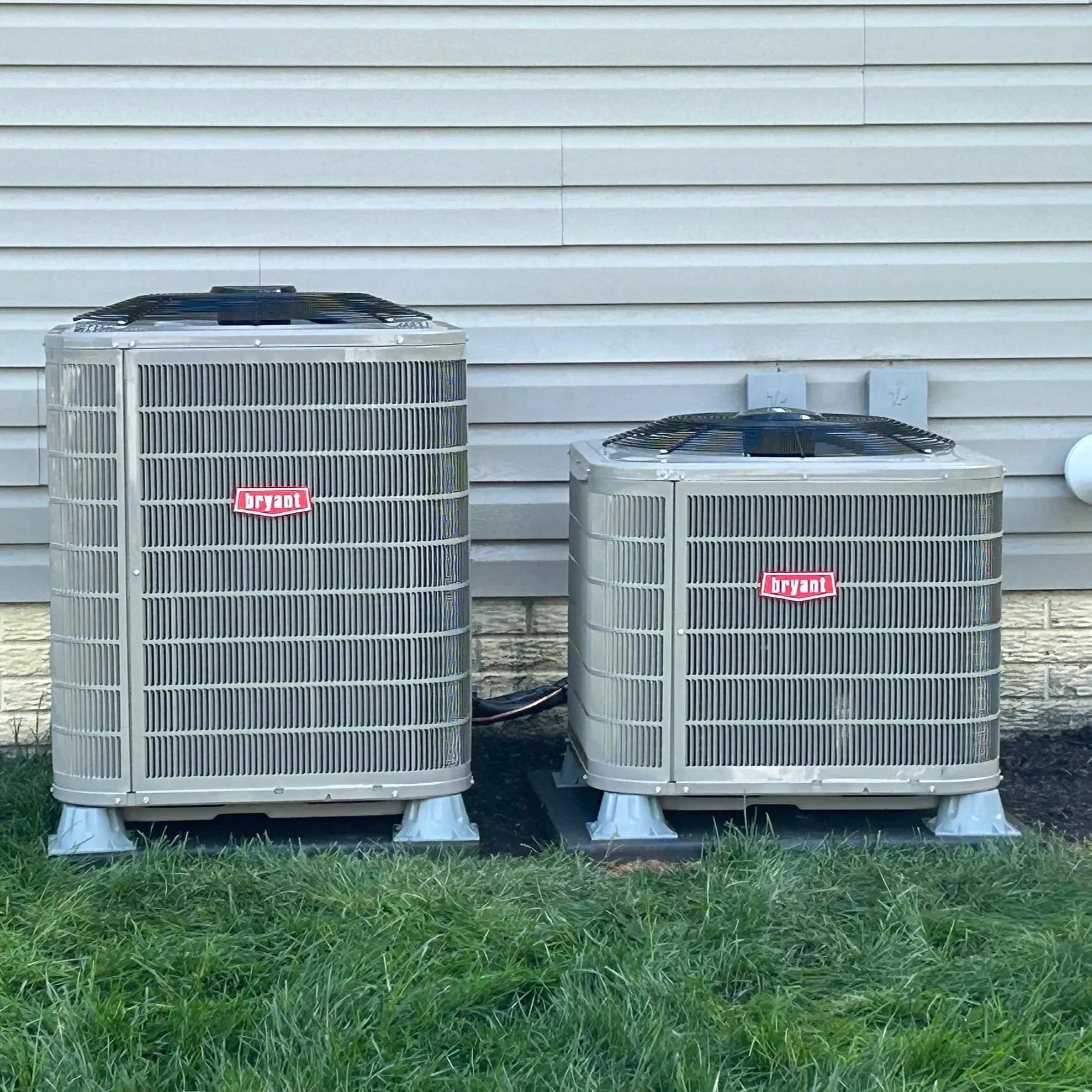
pgrading from a gas furnace to a heat pump might sound like a big leap, but it’s one that pays off in comfort, savings, and sustainability.
Every homeowner eventually faces the moment of truth: the furnace makes strange noises, energy bills start creeping higher, and you begin wondering whether it’s time to try something new. If that sounds familiar, you might be on the brink of discovering one of the best-kept secrets in modern home comfort—the heat pump. It’s not just a new gadget; it’s a smarter, more efficient way to heat and cool your home. Upgrading from a gas furnace to a heat pump might sound like a big leap, but it’s one that pays off in comfort, savings, and sustainability.
Understanding The Difference Between Furnaces And Heat Pumps
Gas furnaces and heat pumps have the same mission: keeping homes warm during chilly months. The way they get there, however, couldn’t be more different. A furnace creates heat by burning natural gas, generating high-temperature air that’s blown through ducts. It’s direct, fast, and familiar, but it’s also reliant on fossil fuels.
Heat pumps, on the other hand, don’t burn fuel to make heat—they move it. They work like reversible refrigerators, transferring warmth from the outside air into your home in winter and reversing the process to cool your home in summer. The result is one system that handles both heating and cooling with impressive efficiency.
Professionals who specialize in HVAC upgrades often compare the two systems in terms of energy use and long-term performance. Heat pumps operate using electricity, which can be paired with renewable sources like solar or wind power. That makes them a major step forward for eco-friendly HVAC systems and sustainable living.
The Signs It’s Time To Consider Furnace Replacement
No heating system lasts forever, even the most reliable gas furnace. The typical lifespan of a furnace ranges from 15 to 20 years, depending on maintenance and usage. If your furnace has been working hard for over a decade, it may already be losing efficiency.
You might notice rising energy bills, uneven temperatures across rooms, or more frequent repair calls. Those are all signs that your furnace is no longer performing at its best. Older units often lose their ability to maintain steady heat output, forcing them to run longer and burn more gas.
When repairs start becoming more frequent or more expensive than the system’s overall value, replacement becomes the smarter option. That’s when many homeowners start exploring heat pump installation as a modern, energy-saving alternative.
Professional HVAC technicians help evaluate your system’s performance and guide you through cost comparisons. In many cases, the long-term energy savings from a heat pump can outweigh the upfront cost of replacing the furnace, especially when factoring in rebates and incentives for high-efficiency systems.
Why Homeowners Are Switching To Heat Pumps
Heat pumps have come a long way since their early days. Modern systems are designed to perform efficiently even in colder climates, making them a practical option for many regions. Homeowners are choosing them for several key reasons—energy savings, versatility, and comfort.
Because heat pumps move heat instead of creating it, they use far less energy than gas furnaces. That translates directly into lower utility bills and a smaller carbon footprint. Many homeowners love the idea of one system handling both heating and cooling, eliminating the need for separate air conditioners and furnaces.
Heat pumps also deliver a more consistent indoor temperature. Instead of producing bursts of hot air like a furnace, they maintain an even, comfortable warmth throughout the home. That steady operation helps avoid the sharp temperature swings that can make some rooms feel like a sauna while others feel like a freezer.
For families seeking an eco-friendly HVAC solution, heat pumps are an easy win. They run on electricity, and when paired with clean energy sources, they create a virtually carbon-neutral home heating system.
How A Heat Pump Delivers Energy Savings
Energy efficiency is where heat pumps truly shine. Because they transfer heat rather than generate it, they can deliver up to three times more heating energy than the electricity they consume. In contrast, even the most efficient gas furnace loses some energy through exhaust.
That difference in performance can mean substantial savings on monthly energy bills, especially in mild or moderate climates where heat pumps can operate most efficiently. Homeowners in areas with reasonable electricity rates and fewer extreme cold spells often see their energy costs drop significantly after switching.
Professional HVAC contractors can perform a detailed energy analysis to show how much you might save with a heat pump based on your home’s size, insulation, and local energy rates. They can also help identify available rebates and tax credits for energy-efficient HVAC upgrades.
Upgrading to a heat pump doesn’t just benefit your wallet—it also contributes to reducing overall energy consumption in your community. Every household that switches to an efficient system helps lower the demand for fossil fuels, creating a ripple effect of sustainability.
Hybrid Heating Systems For Cold Climates
Homeowners living in colder regions sometimes wonder if heat pumps can handle frigid temperatures. The answer is yes, especially with hybrid heating systems. A hybrid setup combines a heat pump with a backup gas furnace, automatically switching between the two based on outdoor conditions.
When temperatures are moderate, the heat pump handles most of the work efficiently. When it drops below a certain point, the system switches to the furnace for additional heating power. It’s the best of both worlds—energy-efficient heating when possible and reliable backup heat when necessary.
Hybrid systems are a favorite among professional HVAC installers because they give homeowners flexibility and peace of mind. You get the comfort of gas heat during the coldest days and the energy savings of a heat pump for the rest of the year.
Environmental And Health Benefits Of A Heat Pump Upgrade
Switching from a gas furnace to a heat pump isn’t just a comfort upgrade—it’s an environmental one. Gas furnaces rely on combustion, which releases carbon dioxide and other pollutants. Heat pumps operate without burning fuel, producing zero on-site emissions.
Reducing indoor combustion improves indoor air quality as well. No open flames mean no risk of carbon monoxide leaks, which can be a serious safety hazard in homes with older gas systems. For families looking to improve health and safety while cutting energy use, a heat pump is a clean and reliable solution.
Professionals who install eco-friendly HVAC systems often highlight that modern heat pumps use advanced refrigerants with lower environmental impact. Combined with renewable power, they offer one of the cleanest heating solutions available today.
Comfort, Consistency, And Control
Home comfort isn’t just about staying warm—it’s about how evenly and efficiently that warmth is distributed. Heat pumps excel in providing balanced, consistent temperatures throughout the home. Because they run continuously at lower speeds, they eliminate the blasts of hot air and cool-down periods that can occur with gas furnaces.
Advanced heat pump systems also integrate seamlessly with smart thermostats, allowing homeowners to customize temperature schedules and control the system remotely. That extra layer of control means you can adjust settings on the go, reducing energy use when you’re away and warming things up before you get home.
For homeowners who value comfort and convenience, the modern heat pump offers both in abundance. The quiet operation, steady heat, and smart technology integration make it a clear upgrade in everyday living.
Cost Considerations And Long-Term Value
Upfront costs often make homeowners hesitate when considering a heat pump installation. While it’s true that initial investment can be higher than a standard furnace replacement, the long-term value more than makes up for it. Lower energy bills, fewer maintenance requirements, and the combined function of heating and cooling all contribute to ongoing savings.
Many utility companies and government programs offer incentives for installing energy-efficient HVAC systems, reducing the initial expense. When factored in with energy savings, a heat pump can pay for itself over several years of operation.
Professional HVAC contractors can provide an accurate cost comparison between keeping your furnace and upgrading to a heat pump. They’ll also factor in regional rebates and performance expectations based on your location, giving you a clear picture of long-term return on investment.
The Right Time For An HVAC Upgrade
The best time to consider switching to a heat pump is before your current furnace fails. Waiting until the middle of winter to replace a broken unit often leads to rushed decisions and limited options. Scheduling an HVAC upgrade during the off-season gives you more flexibility and better pricing.
Professionals recommend evaluating your heating system annually once it reaches 10 years of age. If it’s showing signs of inefficiency, noise, or frequent repairs, it’s time to start exploring new solutions.
Early planning also means you can take advantage of installation availability and incentive deadlines. Many energy-saving programs reset each year, so upgrading before the end of the calendar year can maximize your benefits.
Working With Professional HVAC Experts
Making the switch from a gas furnace to a heat pump isn’t a weekend project—it’s a specialized job that requires technical skill and system design expertise. Professional HVAC technicians handle everything from sizing and placement to electrical upgrades and duct adjustments.
They’ll assess your home’s heating and cooling needs, local climate conditions, and budget before recommending the best heat pump model. Proper installation is key to achieving maximum efficiency and reliability, so partnering with a licensed professional protects both your investment and your comfort.
A trusted HVAC company can also provide ongoing maintenance plans to keep your system running efficiently year-round. Regular service visits keep performance high and prevent the kind of wear that shortens a system’s lifespan.
Why A Smart Heat Swap Makes Sense
Upgrading from a gas furnace to a heat pump isn’t just a trend—it’s a smart move toward a more energy-efficient and sustainable future. Homeowners gain lower utility costs, year-round comfort, and the satisfaction of reducing their carbon footprint without sacrificing warmth.
With the help of professional HVAC experts, the transition is seamless. From choosing the right system to handling every step of installation, it’s a hassle-free way to modernize home comfort and efficiency. The next time your furnace starts showing its age, remember that a smarter, cleaner heating solution might be waiting just around the corner.
Urgent & Practical FAQs: What to Know Before Installing a Heat Pump
Can a heat pump work in cold climates?
Yes. Modern cold-climate heat pumps are designed to operate efficiently even in freezing temperatures. For extremely cold areas, hybrid heating systems that combine a heat pump with a gas furnace provide optimal comfort and reliability.
Will switching to a heat pump really lower my energy bills?
Most homeowners experience noticeable energy savings after switching. Because heat pumps move heat instead of generating it, they use less energy to maintain comfortable temperatures year-round.
Do heat pumps require more maintenance than furnaces?
Not necessarily. Heat pumps need biannual checkups—one before heating season and one before cooling season. Regular maintenance from a professional keeps the system efficient and prevents issues before they start.
Can I replace my gas furnace with a heat pump in an older home?
Yes, but it depends on your home’s electrical capacity and insulation. A professional HVAC technician can assess your setup and recommend the right equipment and upgrades for a successful installation.
Are there rebates or incentives for heat pump installation?
Many states, cities, and utility providers offer rebates for energy-efficient HVAC upgrades. Your HVAC contractor can help you find local programs and guide you through the application process to maximize your savings.